
Find the language for the look you love.
Styles are useful starting points, not rigid boxes. Learn what distinguishes each approach, what to inspect in a portfolio, and where artist judgment matters most.
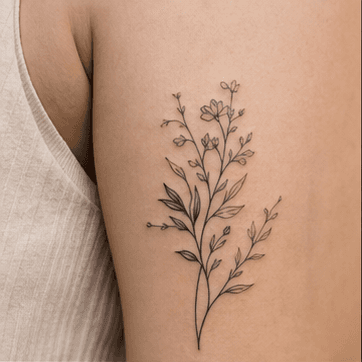
Fine-line
Delicate linework with restrained shading and a light visual footprint.
Dense detail at very small sizes can soften or merge as the tattoo ages.
Explore the style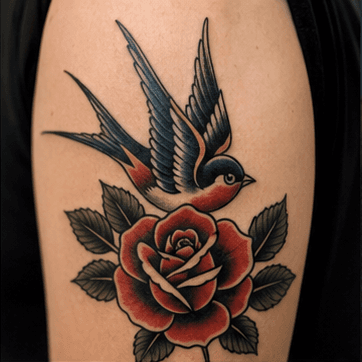
Traditional
Bold outlines, readable shapes, and a limited palette built for clarity.
The composition should stay simple enough to read clearly at the chosen size.
Explore the style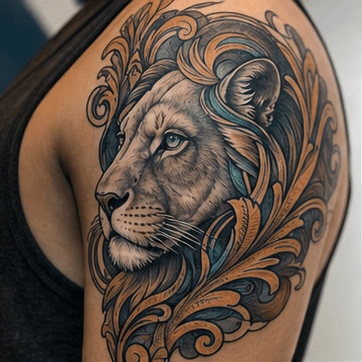
Neo-traditional
Traditional structure expanded with richer color, texture, and illustrative detail.
Layered detail and color usually benefit from more room than classic traditional flash.
Explore the style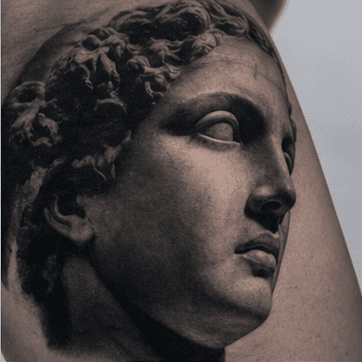
Realism
Value, texture, and proportion work together to create a lifelike result.
Reference quality, scale, specialist experience, and healed portfolio work matter.
Explore the style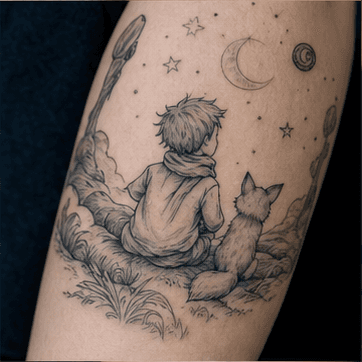
Illustrative
Drawing-led work that combines line, texture, stylization, and narrative detail.
Complex scenes need enough size for a readable visual hierarchy.
Explore the style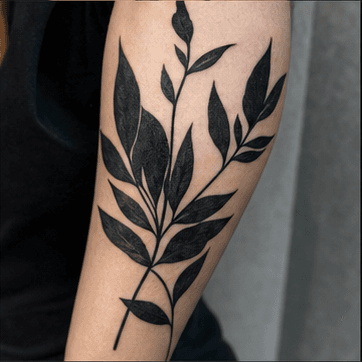
Blackwork
High-contrast work built from black ink, negative space, texture, or solid shape.
Black density and negative space must be adapted to the body and final scale.
Explore the style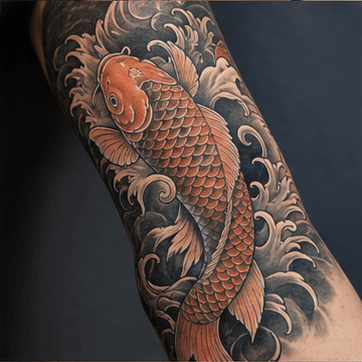
Japanese
Large-scale, flowing compositions grounded in established motifs and visual traditions.
Motif meaning, cultural context, background elements, and body flow require specialist knowledge.
Explore the style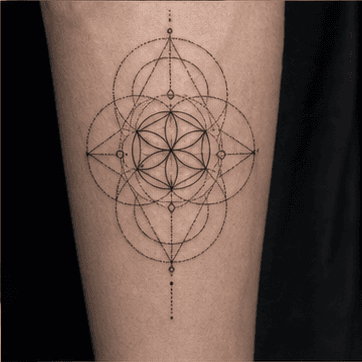
Geometric
Pattern, symmetry, repetition, and precise shape create structure and rhythm.
Placement and body curvature can visibly change alignment and symmetry.
Explore the style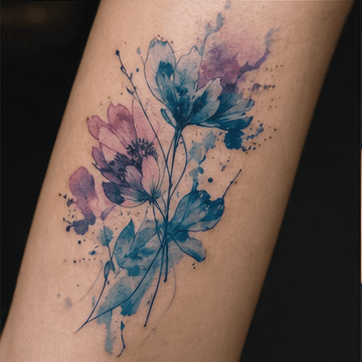
Watercolor
Color fields, gradients, splashes, and painterly edges create a fluid appearance.
Ask to see healed examples and discuss how contrast and line structure support longevity.
Explore the style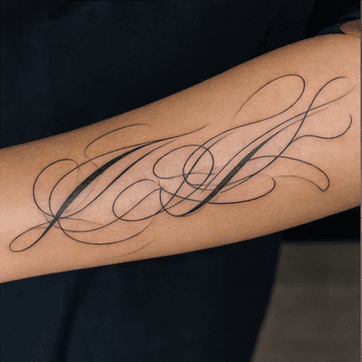
Lettering
Words, names, dates, and custom typography become the primary composition.
Letter height, spacing, stroke width, and placement determine long-term legibility.
Explore the style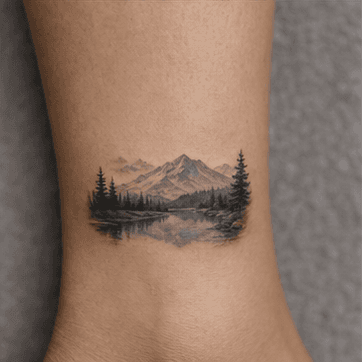
Micro-realism
Realistic subjects translated into a deliberately small visual format.
Very small realism has strict detail and aging limits; specialist healed work is essential.
Explore the style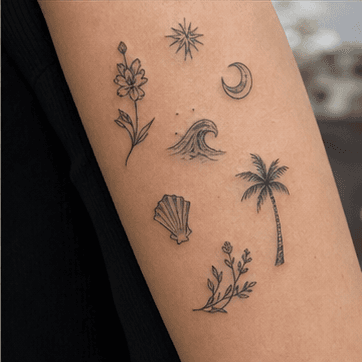
Patchwork
Independent small and medium pieces build a collected composition over time.
Spacing, scale relationships, and a plan for future gaps help the collection feel intentional.
Explore the style