
InkPlace for artists

Better-fit projects. Your voice. Your decisions.

InkPlace is designed as a professional marketplace—not a bid board. Define the work you want, show the work that proves the fit, and stay in control of every proposal.

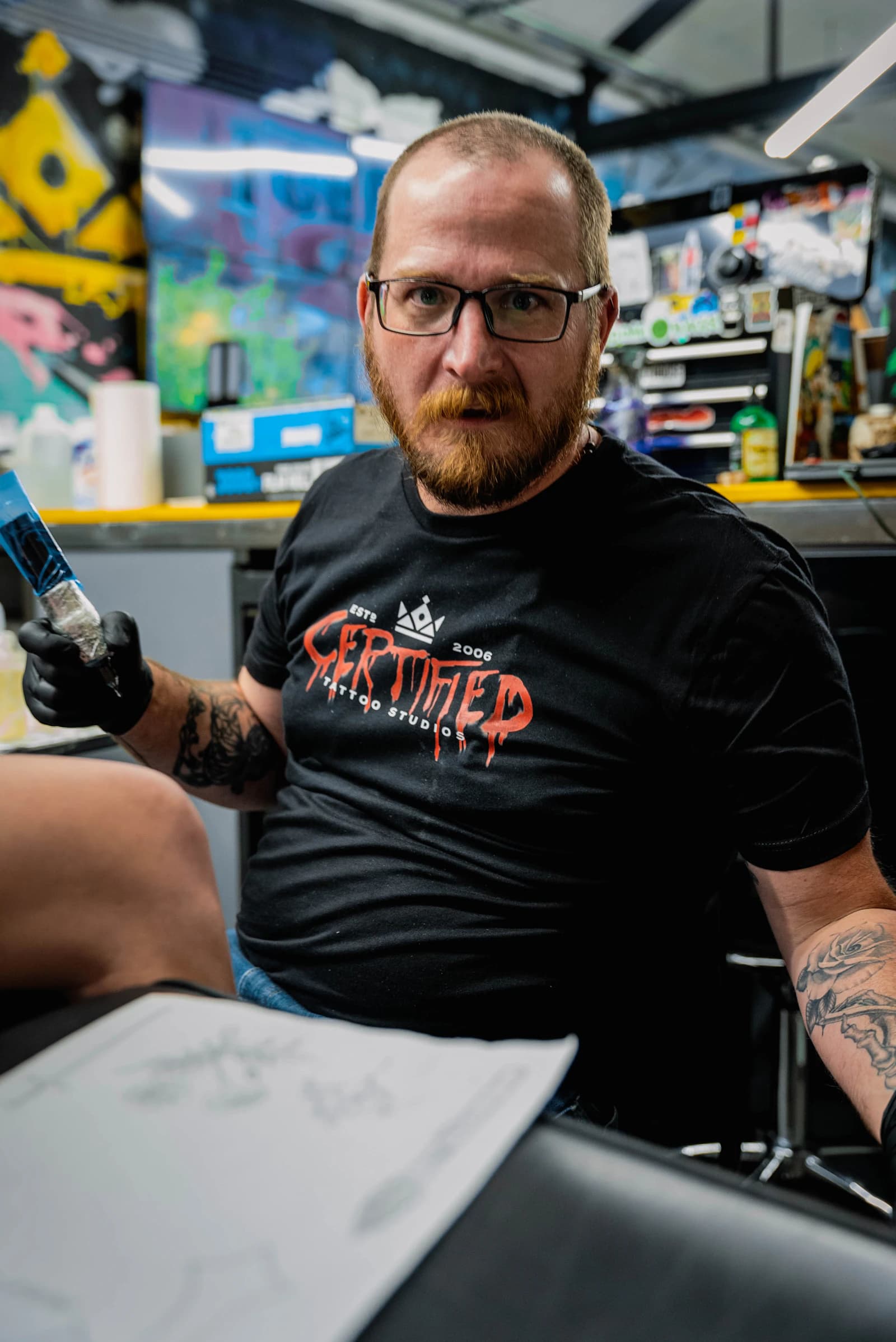
Professional tattoo artist in a colorful studio

InkPlace principle

A better tattoo starts with better context—and keeps the artist in the artist’s role.

The work behind the work

Tattoo relationships are creative collaborations.

Tattoo-specific research and adjacent service benchmarks help explain why InkPlace prioritizes fit, context, and artist control instead of treating tattoo work like a generic lead queue.

51

tattoo artists informed a study of the demands of client co-creation.

The artist-client relationship has real vision, feasibility, and participation tradeoffs that a generic inquiry form cannot solve alone.

Tattoo-artist study

Source: Academy of Management Journal

22%

of U.S. adults have more than one tattoo.

A professional relationship can extend across more than one idea, making client context and artist fit useful over time.

U.S. adults; tattoo-specific

Source: Pew Research Center

90%

of beauty clients want appointment reminders in Square’s benchmark.

Clear booking context and reminders can support the relationship without taking over the artist’s decisions.

Beauty and personal-care benchmark; not tattoo-specific

Source: Square
Protect your focus

See opportunities that make sense for your practice.

Hard filters keep incompatible work out before ranking begins.

1

Set your boundaries

Define styles, subjects, placements, cover-ups, budget minimums, distance, and AI-reference preferences.

2

Lead with relevant work

Attach artist-owned portfolio pieces that demonstrate why your approach fits the request.

3

Propose with context

Explain interpretation, range, sessions, dates, policies, and consultation needs in one place.

Beyond the introduction

Keep the relationship moving after a proposal is accepted.

InkPlace connects messaging, consultation, booking context, leads, and artist-approved follow-up tools.

01

Consultation and booking

Move from questions to proposed times, confirmed terms, deposits, reminders, and documented changes.

02

Lead workspace

Track stage, project history, revenue context, preferences, notes, and follow-up timing.

03

Fill open time

Publish cancellation slots and review suggested customers before any outreach happens.