
1
Clear photographs
Capture the full tattoo in even natural light, plus closer images that show density, fading, color, and skin texture.
Existing pigment, shape, scarring, placement, and the condition of the skin all affect the options. A specialist needs to see the tattoo clearly before promising a direction.
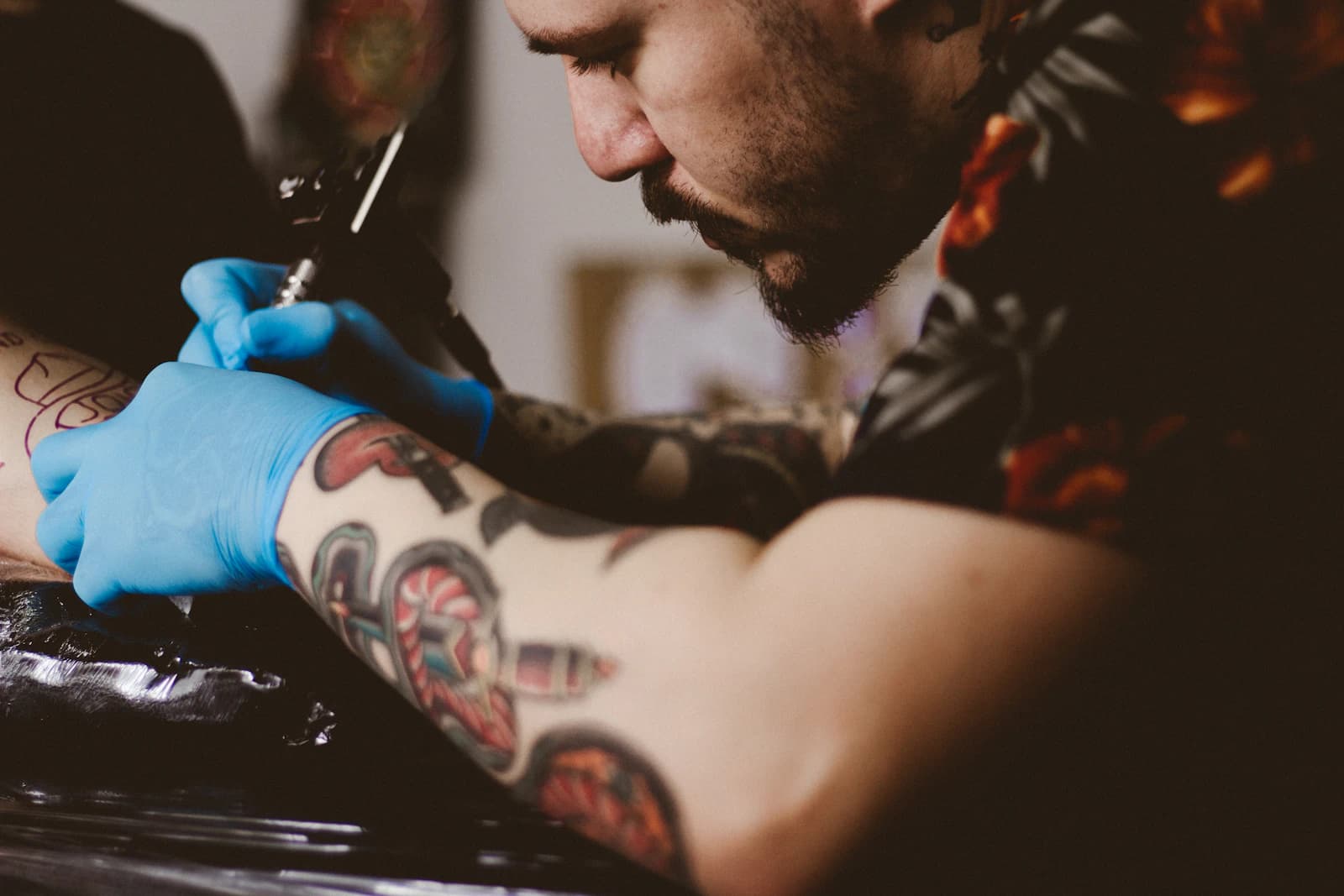
InkPlace principle
A better tattoo starts with better context—and keeps the artist in the artist’s role.
Accurate photos and realistic flexibility make the first conversation more useful.
Capture the full tattoo in even natural light, plus closer images that show density, fading, color, and skin texture.
Explain whether the priority is complete concealment, transformation, distraction, or incorporating part of the original.
Cover-ups often need more scale, stronger contrast, and different subject choices than a tattoo on untouched skin.
Look for artists who show the original tattoo, their design strategy, and a healed result when possible.
A finished image alone does not show how difficult the starting point was or how the artist solved it.
The artist still needs to be strong in the visual language you want—not only willing to accept cover-ups.
Lighting, skin, pigment, texture, and body movement are difficult to judge from photos alone.